Trust With Customers
When businesses disclose AI-generated images clearly, they reduce confusion and show customers that transparency matters.
AI-generated images are changing how businesses, creators, publishers, and marketers produce visual content. As AI use grows, so does the need for transparency, disclosure, and proof.

The answer depends on where the image is used, how it is used, and which laws, platform rules, or industry standards apply. There is not one single rule that covers every AI-generated image in every situation.
However, the direction is clear. Businesses, platforms, governments, and consumers are paying more attention to AI-generated content. That means AI image disclosure and verification are becoming more important.
AIGI™ helps creators and organizations take a practical step toward transparency by creating verification records for AI-generated images.
Not every AI-generated image is legally required to be labeled today, but transparency is quickly becoming the expected standard.
AI-generated visuals are powerful, but viewers deserve a clear way to understand when artificial intelligence was involved.
When businesses disclose AI-generated images clearly, they reduce confusion and show customers that transparency matters.
Publishers, blogs, newsrooms, and content teams can use verification records to support clearer image disclosure practices.
AI disclosure requirements are still evolving. A verification workflow helps businesses prepare for future expectations.
AIGI™ also provides articles covering specific state AI disclosure topics.
Several states have introduced or passed AI-related laws involving transparency, consumer protection, synthetic media, or disclosure. Some rules focus on AI interactions, while others focus on content provenance, deepfakes, election content, or consumer protection.
This page is not legal advice. Instead, it explains why organizations are beginning to adopt AI image verification as a practical transparency measure.
For specific legal obligations, businesses should speak with qualified legal counsel and review the rules that apply to their industry, platform, state, and use case.
AI image verification is the process of creating a documented record for an AI-generated image. That record can help show that an image was created, uploaded, or verified through a trusted process.
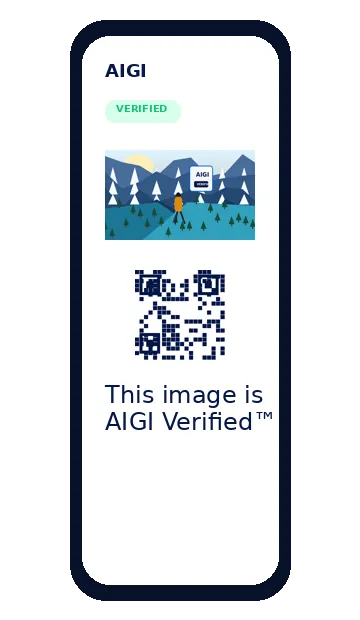
AIGI™ verification can include a verification ID, public proof page, QR code, verification date, image record, and related details.
Verification does not determine ownership, copyright status, trademark rights, or legal compliance. Instead, it helps document information associated with an AI-generated image.
AIGI™ gives creators and businesses practical tools for voluntary AI-generated image transparency.
Generate new AI images and create a verification record in the same workflow.
Create + Verify →Upload existing AI-generated images from tools like ChatGPT, Midjourney, Leonardo AI, Flux, Stable Diffusion, and more.
Upload + Verify →Browse verified AI images, license images, or regenerate similar visuals through the AIGI™ ecosystem.
Browse Gallery →An AIGI Verified™ Image is an AI-generated image connected to a verification record through the AIGI™ platform. Depending on the product used, that record may include a verification ID, QR code, proof page, timestamp, and visible AIGI Verified™ badge.
The purpose is simple: give viewers a way to check the record instead of asking them to simply trust a label.
This makes AIGI™ useful for websites, advertising, publishing, real estate, e-commerce, healthcare, education, marketing, and other public-facing content.
Helpful answers for businesses, creators, publishers, and marketers.
Requirements vary by jurisdiction, platform policy, industry, and use case. Not every AI-generated image is legally required to be labeled today, but transparency expectations are increasing.
No. AIGI™ provides verification tools and transparency features, but users remain responsible for complying with applicable laws, regulations, and disclosure requirements.
No. AIGI™ verifies records associated with images. It does not determine ownership, copyright status, trademark rights, or legal rights.
Yes. AIGI™ can be used with eligible AI-generated images created through many image generation tools, provided you have the right to upload and verify the image.
Verification helps businesses show transparency, create public proof, support internal AI policies, and build trust with customers and viewers.
Learn how public proof pages, QR codes, and verification IDs help make AI-generated images easier to trust.
What Is an AIGI Verified™ Image? →Learn how AIGI™ handles verification records, gallery licensing, generated images, credits, and user responsibilities.
Read Terms of Service →Choose a plan based on how many AI image verification credits your business needs each month.
View Pricing →Create verification records, QR proof pages, and AIGI Verified™ Images for your AI-generated content.